
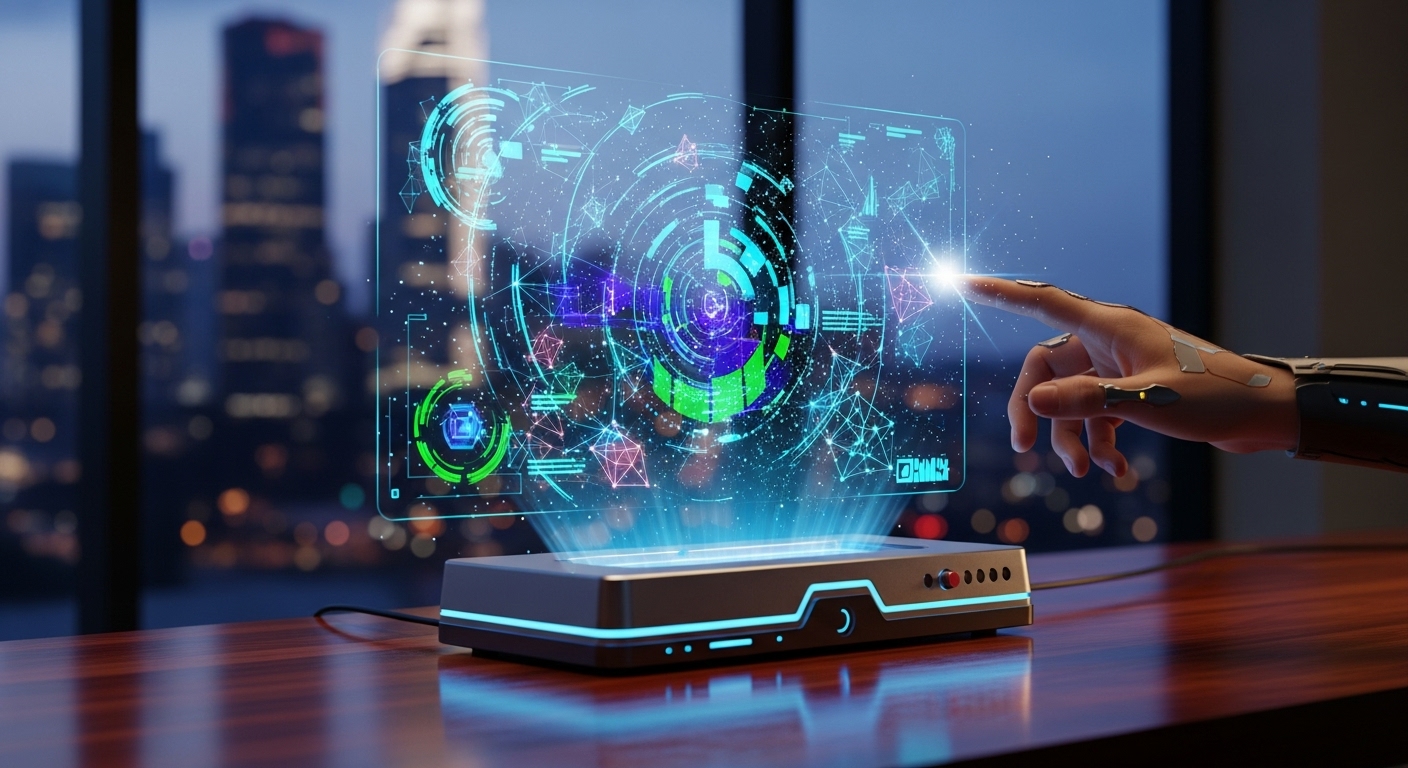
The Pulse of Innovation: How Technology is Rewriting the Future of Humanity
Introduction
In today’s world, technology has become the foundation of human advancement. It has penetrated every aspect of our existence, transforming how we communicate, work, learn, and interact with our environment. From artificial intelligence to quantum computing, technology is no longer a luxury—it is the lifeline of civilization. The pace of innovation in recent decades has surpassed anything humanity has ever experienced, and it continues to redefine our perception of progress. The world we live in today is the result of countless technological revolutions, each building upon the last to shape the future we are now stepping into.
The Dawn of the Digital Age
The journey of technology began with the discovery of simple tools that helped early humans survive. Over centuries, humans developed machines, engines, and systems that fueled industrial revolutions. However, the real transformation began with the rise of digital technology. The invention of computers, the internet, and mobile devices created an interconnected world. The digital age gave birth to instant communication, global collaboration, and limitless access to information.
Computers that once filled entire rooms now fit in the palm of our hands, performing billions of calculations per second. The internet connected the world into a vast network of knowledge, breaking geographical boundaries. As we embraced this transformation, we entered an era where data became the most valuable resource—fueling industries, research, and human creativity.
The Rise of Artificial Intelligence
Artificial intelligence, or AI, is at the forefront of the technological revolution. It has evolved from a concept in computer science to a reality that powers everyday life. AI enables machines to learn, adapt, and make decisions, simulating human intelligence. It drives search engines, voice assistants, recommendation systems, and even healthcare diagnostics.
In business, AI optimizes production, manages supply chains, and predicts consumer behavior. In medicine, it assists doctors in identifying diseases and personalizing treatments. AI’s presence extends to education, agriculture, transportation, and countless other sectors. However, while AI increases efficiency, it also brings ethical challenges. Issues like privacy, job automation, and algorithmic bias must be addressed responsibly to ensure technology serves humanity, not the other way around.
Automation and the Changing Face of Work
Automation has transformed the global workforce. Machines, robots, and software systems have replaced repetitive human tasks, boosting productivity and reducing errors. Factories now operate with minimal human intervention, and offices rely on automated systems for data processing, communication, and analysis.
While some fear automation may replace jobs, history shows that technology often creates new roles even as it eliminates old ones. The industrial revolution replaced manual labor but gave rise to engineering, design, and management careers. Similarly, today’s automation is creating opportunities in programming, robotics maintenance, and data science. The key lies in adaptability and learning new skills. The future of work will demand creativity, emotional intelligence, and problem-solving—traits that machines cannot replicate.
The Internet of Things: A Connected World
The Internet of Things, or IoT, represents a new phase of technological evolution where everyday objects become interconnected. From smart homes and wearable fitness devices to autonomous vehicles and industrial sensors, IoT enables seamless communication between devices.
In homes, IoT provides comfort and convenience. Smart thermostats regulate temperature automatically, refrigerators track groceries, and voice assistants manage daily tasks. In industries, IoT systems monitor production, predict equipment failures, and ensure safety. In healthcare, wearable devices collect real-time health data, helping doctors make informed decisions. The growing network of connected devices continues to make life more efficient, but it also calls for enhanced cybersecurity to protect personal and organizational data.
The Power of Data and Analytics
Data has become the currency of the modern age. Every online search, transaction, or social media interaction generates valuable information. This vast ocean of data, when analyzed using advanced algorithms, offers deep insights into human behavior, market trends, and global patterns.
Big data analytics allows businesses to understand customer needs better and make smarter decisions. Governments use data to plan infrastructure, manage resources, and predict crises. In science, data accelerates discoveries by revealing patterns hidden within massive datasets. Yet, as the power of data grows, so does the importance of protecting it. Ethical use, transparency, and privacy must guide the data-driven revolution to ensure that information empowers rather than exploits.
Cloud Computing and the Age of Accessibility
Cloud computing has revolutionized how we store, share, and process information. Instead of relying on physical storage devices, people and organizations use cloud servers accessible from anywhere in the world. This has democratized access to technology, allowing startups, students, and researchers to use advanced computational resources at minimal cost.
The cloud supports the backbone of the modern digital economy—streaming platforms, e-commerce, online education, and global collaboration. It has made remote work possible, allowing professionals to connect and cooperate across continents. Cloud computing also supports innovations in artificial intelligence, machine learning, and big data by providing the computational power necessary for these complex processes. However, maintaining security and data integrity in the cloud remains a major concern, demanding continuous improvement in encryption and protection technologies.
Cybersecurity: The Digital Shield
In a world dependent on technology, cybersecurity has become essential. With the expansion of digital networks, cyber threats such as hacking, data breaches, and identity theft have become increasingly sophisticated. Protecting information is no longer optional—it is a necessity.
Organizations invest heavily in cybersecurity infrastructure to safeguard sensitive data. Encryption, biometric authentication, and advanced firewalls are among the many defense tools used today. Individuals also play a role by adopting safe online practices such as using strong passwords and being cautious with digital communications. As the digital landscape continues to evolve, cybersecurity must remain a global priority to ensure that innovation does not come at the cost of safety.
Technology in Education: A Revolution in Learning
Education has been one of the greatest beneficiaries of technology. The traditional classroom model has evolved into a hybrid system of online and in-person learning. Digital tools, virtual classrooms, and interactive software have made education more engaging and accessible. Students can now learn at their own pace, explore diverse subjects, and access global knowledge through the internet.
Artificial intelligence in education provides personalized learning experiences by identifying strengths and weaknesses in students. Virtual reality brings lessons to life, allowing learners to explore space, history, or scientific phenomena in immersive ways. However, the digital divide remains a challenge—many students around the world still lack access to devices and reliable internet. Ensuring equal access to educational technology will be essential for building an inclusive future.
The Impact of Technology on Healthcare
Technology has transformed healthcare into a field of precision and accessibility. Telemedicine allows patients to consult doctors from the comfort of their homes, reducing travel and waiting times. Wearable health monitors track heart rates, sleep patterns, and fitness levels, promoting preventive care.
Artificial intelligence plays a crucial role in medical research, helping scientists identify potential treatments for diseases by analyzing vast amounts of genetic and clinical data. Robotics assist surgeons in performing complex operations with greater accuracy, while biotechnology advances personalized medicine tailored to individual genetic profiles. As healthcare technology progresses, ethical and privacy concerns must be carefully managed to ensure patient trust and well-being.
Green Technology and Sustainability
With growing awareness of climate change, technology is now focused on building a sustainable future. Green technologies such as renewable energy, electric vehicles, and smart grids are reducing dependence on fossil fuels and minimizing environmental damage.
Solar panels, wind turbines, and energy-efficient devices are helping nations transition to cleaner energy sources. Digital monitoring systems track energy consumption, while artificial intelligence optimizes resource management. Technology also supports reforestation, waste management, and water conservation efforts. The integration of innovation with environmental responsibility will determine how well humanity can balance progress with preservation.
Ethical Concerns in the Digital Era
The expansion of technology has created new ethical dilemmas. Issues such as data privacy, misinformation, algorithmic bias, and digital addiction require urgent attention. Social media platforms influence public opinion, sometimes spreading false information. Artificial intelligence systems, if trained on biased data, can unintentionally discriminate.
Governments and tech companies must work together to establish transparent policies that protect human rights and promote fairness. Users must also cultivate digital awareness and responsibility. The ethical use of technology ensures that innovation aligns with humanity’s core values of equality, justice, and respect.
The Future of Technology: A Vision Beyond Imagination
The next wave of technological evolution promises even more extraordinary changes. Quantum computing will redefine problem-solving, processing data millions of times faster than today’s computers. Artificial intelligence will become more intuitive and capable of emotional understanding. Biotechnology will merge human biology with digital intelligence, creating possibilities for enhanced cognition and longevity.
The metaverse will blur the boundaries between physical and digital realities, offering immersive spaces for work, play, and social interaction. Space technology will open the door to interplanetary exploration and perhaps new civilizations. The potential of technology is infinite, but so is the responsibility it demands from humanity. The challenge will be to use innovation for progress without compromising ethics, equality, or the environment.
Conclusion
Technology has evolved from a tool of convenience to a force that defines human existence. It connects people across continents, enhances industries, and inspires creativity. Yet, its greatest potential lies in its ability to empower humanity—to solve problems, promote equality, and create opportunities.
The true success of technology will not be measured by how advanced machines become but by how much they uplift society. As we move deeper into the digital age, the goal must be to balance innovation with compassion, progress with sustainability, and power with responsibility. The pulse of innovation beats strongest when technology and humanity advance together, shaping a future that is not only intelligent but also humane.