
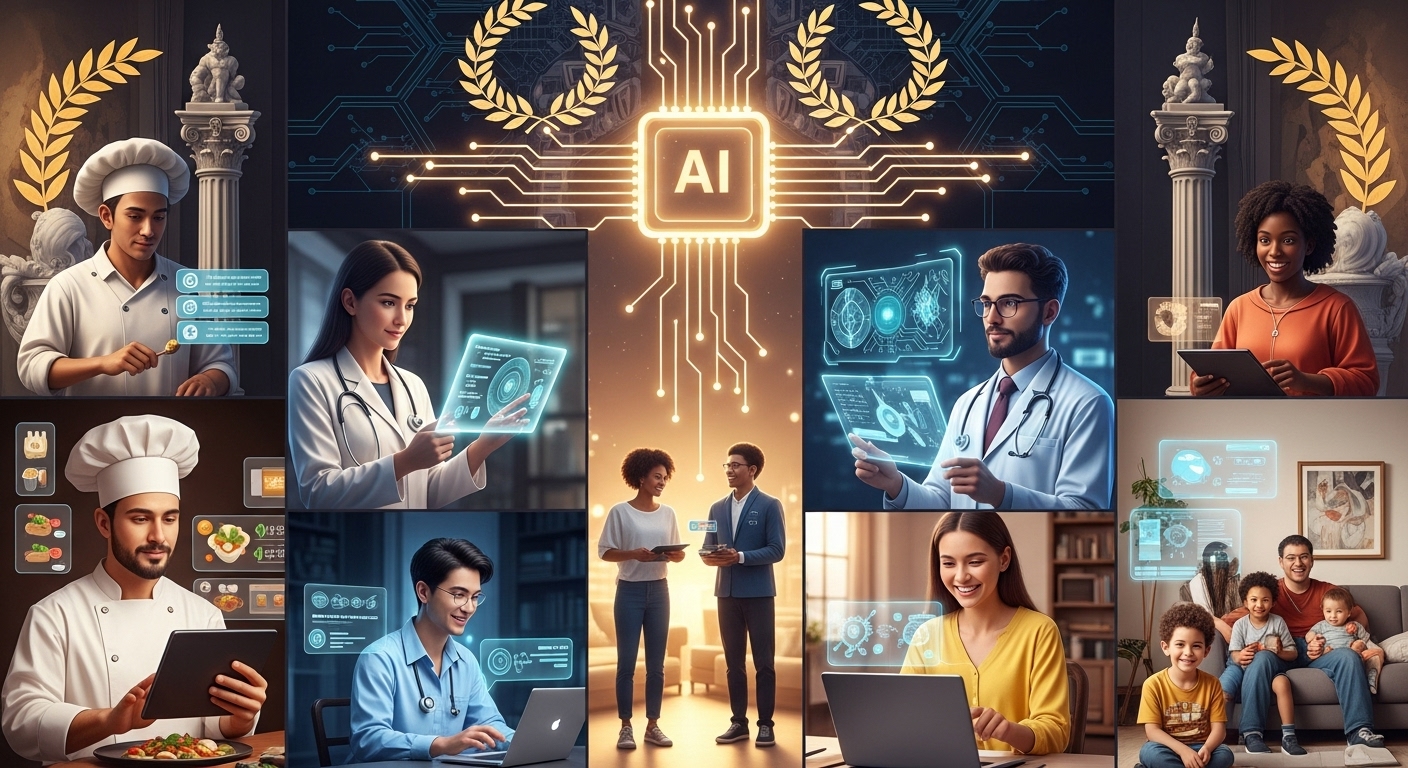
The AI Renaissance: How Machine Learning Is Transforming Everyday Life
We are living through a digital renaissance — a time when artificial intelligence (AI), and more specifically machine learning (ML), is quietly reshaping our world. Once the domain of academics and tech giants, AI is now part of the fabric of everyday life. From how we shop to how we learn, communicate, and even receive healthcare, machine learning is driving innovation at a pace we’ve never seen before.
Smarter Services, Seamless Lives
One of the most visible signs of AI’s growing role is in the services we use daily. Streaming platforms like Netflix or Spotify no longer just offer content — they anticipate your preferences. That’s machine learning at work, analyzing your behavior to personalize your experience. The same technology powers recommendation engines for online shopping, turning once-generic stores into responsive personal shoppers.
Voice assistants, such as Siri, Alexa, and Google Assistant, are becoming increasingly accurate thanks to ML algorithms. They now understand natural language better, recognize context, and perform more complex tasks — from managing schedules to controlling smart home devices.
Healthcare Reimagined
Perhaps one of the most impactful transformations is happening in healthcare. Machine learning is enhancing diagnostic accuracy by analyzing medical images, predicting disease risks, and even helping discover new drugs. Algorithms trained on vast amounts of health data can detect early signs of conditions like cancer or diabetes, often before symptoms emerge.
Remote monitoring tools, powered by AI, allow doctors to keep track of patients with chronic conditions in real-time, making healthcare more proactive than reactive.
Education Gets Personal
The classroom is changing too. AI-driven platforms are creating personalized learning experiences tailored to individual student needs. These systems adapt in real time to a student’s strengths and weaknesses, helping to bridge learning gaps more efficiently than traditional methods.
Machine learning also helps educators by analyzing student data to predict academic outcomes and identify those who might need extra support.
Smarter Cities, Safer Roads
In urban environments, machine learning plays a key role in traffic management and public safety. AI-powered traffic lights adjust in real time to minimize congestion. Predictive policing models aim to allocate resources more efficiently, although these approaches raise important ethical questions about fairness and accountability.
In the automotive industry, self-driving and driver-assist technologies are evolving rapidly. These systems rely on ML to process vast amounts of sensor data, enabling vehicles to make split-second decisions that could prevent accidents and save lives.
Everyday AI, Everyday Ethics
As AI becomes more integrated into our lives, so too do the questions it raises. How do we ensure these systems are fair, transparent, and free from bias? How do we protect privacy in a world where algorithms learn from our data? These are critical challenges that must be addressed alongside technological advancement.
A Quiet Revolution
Machine learning may not be something you physically see or touch, but it is revolutionizing how we live. It’s in your pocket, in your home, at your workplace, and in the services you use daily. We are only at the beginning of this AI renaissance, and its full impact is still unfolding. But one thing is certain: machine learning is no longer the future — it is the present, transforming our world in ways we are only beginning to understand.

Related Posts