Beyond the Screen: How Emerging Tech Is Quietly Reshaping Our Everyday Lives
Introduction
Technology is often associated with flashy devices, breakthrough innovations, and headline-grabbing announcements. Yet the most powerful transformations in our world are unfolding quietly, not on stages or in product launch events, but in the way technology blends into our daily routines. We are living through an era where tech no longer feels like an accessory to life; it has become a foundation that guides how we work, communicate, learn, and imagine the future. This blog explores how emerging technologies are subtly reshaping everyday life, the challenges they bring, and the possibilities they unlock.
The Invisible Rise of Ambient Computing
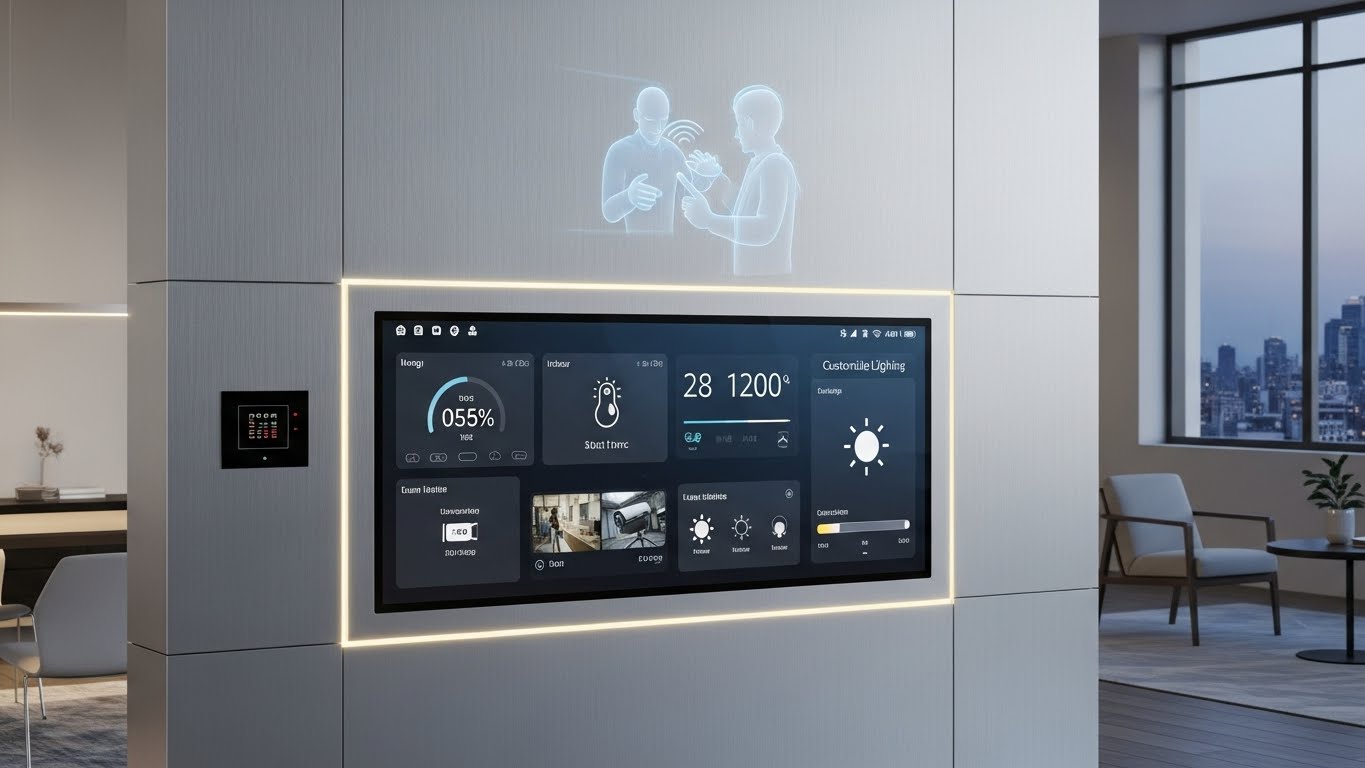
Ambient computing represents a shift from using technology to living in it. Instead of opening apps or typing into systems, we now interact with devices that anticipate needs, automate tasks, and operate seamlessly in the background. Smart home systems adjust temperatures, lighting, and security without constant manual control. Mobile devices proactively offer suggestions based on routines and contexts.
What makes ambient computing interesting is not just its convenience but its subtlety. The more technology disappears from sight, the more integrated it becomes within our habits. This shift is creating a world where computing feels natural, not forced. The challenge ahead will be ensuring these systems remain transparent, ethical, and user-controlled while continuing to make daily life more intuitive.
Artificial Intelligence as a Quiet Companion
Artificial intelligence has moved from futuristic concept to everyday companion. It powers voice assistants, filters emails, improves smartphone photography, manages schedules, and enhances accessibility for people with disabilities. What once felt like science fiction now feels like routine.
One of the most significant impacts of AI is its ability to personalize experiences. From recommending what to watch or read to optimizing routes during travel, AI continuously learns from behavior to provide tailor-made guidance. This personalization makes technology feel more aligned with individual needs.
However, this quiet integration of AI brings responsibilities. Users must understand how data is being used, and creators must put emphasis on safety, consent, and fair algorithms. As AI becomes more capable, the emphasis must shift from what it can do to how responsibly it should do it.
The Transformation of Work in the Digital Age
Workplace technology has rapidly evolved, especially in the last few years. Hybrid work models, driven by cloud collaboration tools, have made remote work not only possible but productive. Virtual meetings, online project spaces, and digital workflows have redefined professional communication.
Automation also plays a major role in reshaping the workforce. Routine tasks in finance, healthcare, customer service, and logistics are increasingly handled by automated systems, allowing employees to focus on creativity, strategy, and problem-solving. Rather than replacing people, the most constructive uses of automation amplify human strengths.
The challenge for the future of work is preparing people to thrive alongside intelligent systems. Skills such as digital literacy, communication, adaptability, and critical thinking are becoming not just valuable but essential. The workplace of tomorrow will belong to those who can collaborate with technology instead of competing against it.
The Evolving Role of Smartphones in Daily Life
Smartphones have become more than communication devices; they are personal hubs for managing nearly everything. Health tracking, navigation, banking, entertainment, education, and even identity verification are all possible within a single device.
Recent smartphone technologies, such as advanced sensors, faster processors, and enhanced privacy controls, are enabling new experiences. The integration of AI into mobile devices means features like real-time language translation, intelligent photo editing, and predictive assistance are available with a tap.
But with this convenience comes the responsibility to maintain digital balance. Smartphones are powerful tools, yet overuse can impact focus, sleep, relationships, and well-being. Learning to engage intentionally, rather than habitually, will help users take advantage of the best smartphones have to offer without allowing them to dominate life.
The Quiet Revolution of Wearable Technology
Wearables have expanded far beyond fitness tracking. Modern devices monitor heart health, detect irregularities, track sleep patterns, analyze stress, and even provide early warnings for potential health issues. They act as personal companions that support better lifestyle choices without demanding attention.
The next phase of wearable innovation may involve deeper integration with other devices, improved health analytics, and designs that make wearables feel like natural accessories rather than gadgets. As sensors become more accurate and algorithms more refined, wearables will help individuals understand their bodies and minds with unprecedented clarity.
This growing relationship between health technology and everyday life highlights both opportunity and caution. While wearables can improve personal well-being, users must remain aware of privacy considerations and ensure they choose trusted, secure devices.
Smart Homes Becoming Smarter Every Year
Smart homes have evolved from luxury concepts to mainstream living solutions. Connected lighting, thermostats, security systems, and appliances now work together to create comfortable and efficient living environments. These systems learn user habits and adjust to preferences without needing constant direction.
Energy efficiency is one of the most meaningful impacts of smart home technology. Automated power management reduces waste and lowers costs. Smart security systems also improve safety by providing real-time alerts, intelligent monitoring, and remote control.
As smart homes grow more advanced, their integration with renewable energy sources, high-efficiency devices, and intelligent grids may support broader sustainability goals. The future home will likely be a blend of convenience, security, and eco-friendly innovation, all operating quietly in the background.
Education in a Tech-Powered World
Technology has reshaped education by making learning more personalized, accessible, and interactive. Digital platforms allow students to learn at their own pace, explore new subjects, and access resources from anywhere in the world. Interactive tools and simulations turn complex concepts into engaging experiences.
Artificial intelligence in education is particularly influential. It can identify learning gaps, recommend resources, and offer individualized guidance. This helps students build confidence while enabling educators to focus on holistic teaching.
The challenge is ensuring equal access to these tools. As education becomes more digitally enhanced, bridging the gap between connected and underconnected communities becomes essential. Technology can elevate learning, but only if everyone has the opportunity to benefit.
The Rise of Ethical Tech and Digital Responsibility
As technology becomes more woven into life, the conversation around ethics grows more urgent. How technology collects, stores, and uses data impacts not only individuals but entire societies. Digital responsibility means protecting user privacy, promoting fairness, securing systems, and designing technology that uplifts rather than exploits.
Tech creators are increasingly focusing on transparency, user consent, and inclusive design. Users, too, play a role by understanding the digital tools they use, protecting personal information, and making mindful choices about the technologies they trust.
The path forward requires cooperation. Ethical tech is not just a trend but a necessity as society becomes more reliant on digital infrastructure. Trust must be at the core of every innovation.
Where Technology Is Gently Leading Us Next
The next wave of technological evolution will likely be even less visible. Instead of dramatic breakthroughs, we may see improvements in how technology quietly supports daily life. More intuitive interfaces, smarter machines, healthier work routines, and more personalized services will continue shaping how we live.
Whether through AI companions, intelligent homes, wearable health monitors, or new forms of digital interaction, the future promises a blend of convenience and capability. The key will be ensuring these technologies empower rather than overwhelm, enhance rather than complicate, and connect rather than isolate.
Conclusion
We often look to the horizon for the next big breakthrough, but the true power of technology lies in the subtle ways it transforms everyday life. From AI that anticipates needs to devices that support health and well-being, the most meaningful innovations are those that integrate seamlessly into routine without demanding constant attention.
As we move deeper into a technology-driven era, understanding and guiding this integration will be crucial. By embracing responsible innovation, nurturing digital awareness, and maintaining a human-centered approach, we can ensure that technology continues to support the best versions of our lives.