The Evolution of Technology: A Journey from Analog to Digital
In the modern world, technology is ingrained in nearly every aspect of our lives. From the smartphones in our pockets to the vast networks connecting entire countries, the tech industry has seen an astonishing transformation over the past few decades. However, the rapid development of technology didn’t happen overnight. The journey from analog to digital, from bulky machines to sleek devices, is one filled with innovation, breakthroughs, and some surprising turns along the way.
This blog explores the evolution of technology, focusing on how we moved from the analog age to the digital era and beyond, touching upon major milestones that have shaped our digital landscape.
The Dawn of the Analog Era
The birth of modern technology can be traced back to the analog era, where mechanical devices were the primary tools for communication, calculation, and entertainment. In the early 20th century, devices like the telephone, radio, and television emerged, setting the foundation for a future of connected societies.
Early Innovations
The invention of the telephone by Alexander Graham Bell in 1876 was a turning point for communication technology. Before this, people communicated through written letters or face-to-face conversations. The telephone, however, made it possible to instantly connect people across long distances, a concept that was previously unimaginable.
Similarly, radio technology, developed by pioneers like Guglielmo Marconi and Nikola Tesla, provided a way to transmit audio signals over the airwaves, revolutionizing entertainment and news dissemination. Television, introduced in the 1930s, brought motion pictures into people’s homes, forever altering the media landscape.
The Analog Devices
During the mid-20th century, analog devices were at the heart of technological innovation. These devices worked by continuously varying signals to represent information, such as sound, light, or electrical currents. Analog televisions, for example, displayed images by scanning electrical signals that were directly linked to visual components. Similarly, vinyl records and cassette tapes allowed for music playback by converting sound into continuous mechanical signals.
The limitations of these devices, however, became apparent as technology advanced. Analog systems were prone to distortion, signal interference, and degradation over time. While they laid the groundwork for many of today’s digital devices, they were also the first indicators that technology needed to evolve to meet the demands of the future.
The Digital Revolution
By the late 20th century, we entered the digital age—a period marked by the shift from analog to digital technologies. Unlike their analog predecessors, digital devices work by converting information into binary code (ones and zeros), making it easier to store, process, and transmit data with greater efficiency and accuracy.
The Rise of Personal Computers
One of the most significant breakthroughs during the digital revolution was the advent of personal computers. In the 1980s, the introduction of machines like the Apple Macintosh and the IBM PC marked the beginning of widespread access to computing power. Personal computers transformed the way people worked, communicated, and accessed information.
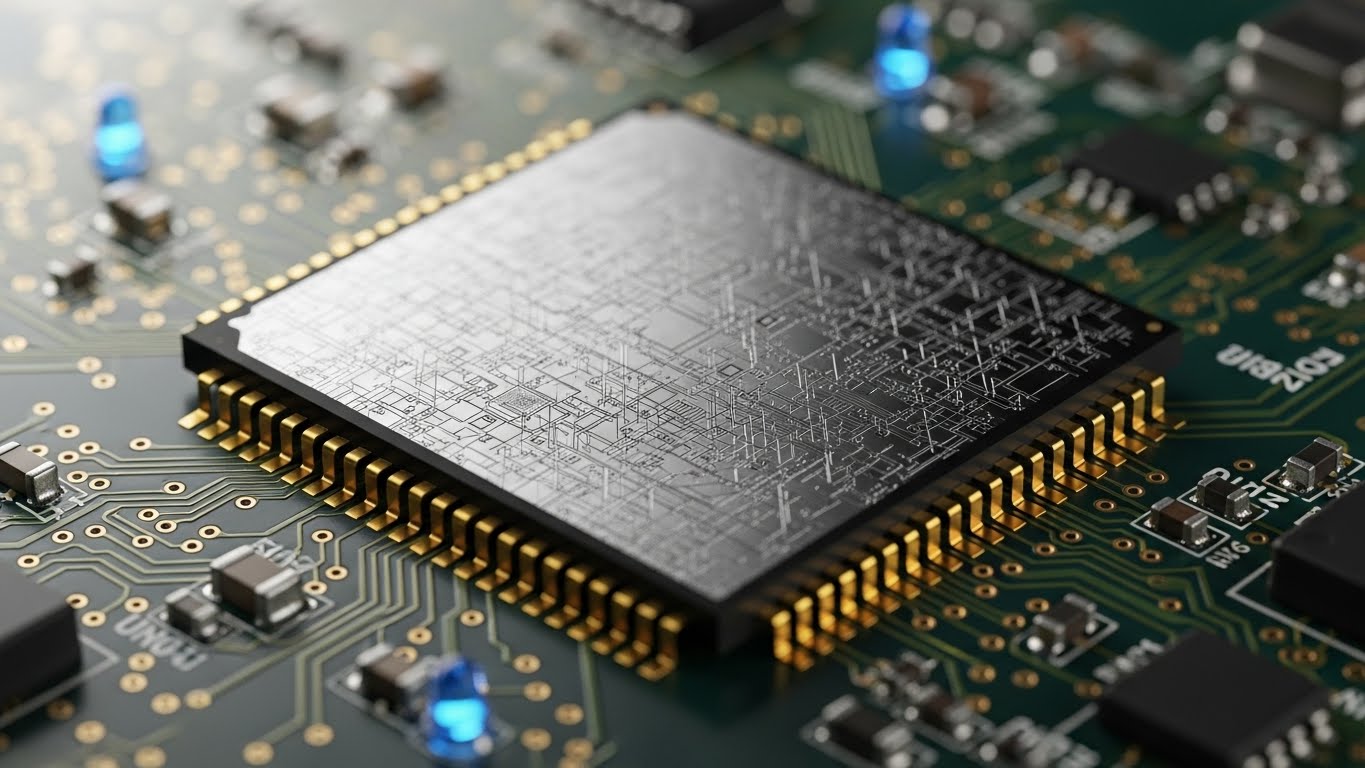
This shift was driven by the development of microprocessors—small yet powerful chips that allowed computers to become more compact and affordable. With the rise of the internet in the 1990s, personal computers quickly became gateways to an entirely new world of information and social connection. Early browsers like Netscape Navigator and Internet Explorer gave people access to an unprecedented amount of content, forever changing how we interact with the world around us.
The Mobile Revolution
While personal computers paved the way for digital innovation, it was the mobile revolution that truly reshaped the tech landscape. In the early 2000s, mobile phones began to evolve from simple communication devices into powerful mini-computers.
The introduction of smartphones, particularly the iPhone in 2007, marked a major turning point. Smartphones combined the functionalities of a computer, camera, music player, and more into a single device. They were also equipped with sensors like GPS, accelerometers, and touchscreens, allowing for a completely new user experience.
The app economy exploded in the years following the release of the iPhone, as millions of developers built applications that took advantage of mobile devices’ capabilities. Social media, gaming, and productivity apps reshaped how we communicate, work, and entertain ourselves.
The Internet and Its Transformative Impact
Another pivotal moment in the evolution of technology was the rise of the internet. As the digital revolution progressed, the internet became the backbone of modern technological advancements. The internet allowed for faster communication, increased data storage, and the sharing of knowledge on an unprecedented scale.
The Birth of the Web
In the 1990s, Tim Berners-Lee’s invention of the World Wide Web (WWW) revolutionized how people accessed and shared information online. Early web browsers like Netscape made it easy for users to navigate websites, and search engines like Google helped them find relevant information.
Over the years, the internet evolved from a simple network of documents into an interconnected ecosystem of services that now includes social media platforms, e-commerce, streaming services, and cloud computing.
The Rise of Social Media
The growth of the internet coincided with the rise of social media platforms. Websites like MySpace, Facebook, Twitter, and Instagram provided individuals and businesses with new ways to connect and share content. Social media changed the way we communicate, enabling real-time interaction and the sharing of ideas on a global scale.
Social media has had a profound impact on politics, business, culture, and society, allowing people to organize, mobilize, and express their views. However, it has also raised concerns about privacy, mental health, and misinformation, making it clear that technology, while transformative, also requires careful consideration and regulation.
Emerging Technologies and the Future of Tech
As we look toward the future, it’s clear that the pace of technological advancement is accelerating. The digital revolution is far from over, and new technologies are emerging that promise to change our world in even more profound ways.
Artificial Intelligence and Machine Learning
One of the most exciting frontiers of technology today is artificial intelligence (AI). AI has already begun to make waves in industries ranging from healthcare to finance, offering new solutions for automation, data analysis, and decision-making.
Machine learning, a subset of AI, allows systems to learn from data and improve over time without being explicitly programmed. This has led to breakthroughs in areas like facial recognition, natural language processing, and autonomous vehicles.
In the coming years, AI could revolutionize industries like healthcare by enabling personalized medicine and streamlining diagnostic processes. It could also change how we interact with technology, making devices and systems more intuitive and responsive to our needs.
The Internet of Things (IoT)
Another transformative technology is the Internet of Things (IoT). This concept involves connecting everyday objects, from refrigerators to cars, to the internet, enabling them to send and receive data. IoT has the potential to revolutionize industries like manufacturing, agriculture, and home automation, offering smarter ways to manage resources and improve efficiency.
Smart homes are already becoming a reality, with devices like thermostats, lights, and security cameras being controlled remotely via smartphones. As IoT devices become more advanced, they will likely play an even larger role in our daily lives, enhancing convenience and productivity.
Blockchain and Cryptocurrency
Blockchain technology and cryptocurrencies like Bitcoin have introduced a new way of thinking about digital transactions and data security. Blockchain is a decentralized ledger system that ensures transparency and trust without the need for a central authority. It has the potential to disrupt industries like banking, supply chain management, and even voting systems.
Cryptocurrency, powered by blockchain, allows for peer-to-peer financial transactions without intermediaries like banks. While still in its early stages, blockchain has the potential to revolutionize industries by offering faster, more secure, and transparent systems for exchanging value.
Quantum Computing
While still in the experimental stage, quantum computing promises to bring about a new era of computing power. Unlike classical computers, which rely on binary data, quantum computers use qubits, which can represent multiple states simultaneously. This enables them to perform complex calculations at speeds unimaginable by today’s standards.
Quantum computing could have major implications for fields like cryptography, drug discovery, and climate modeling. As research in this field progresses, we may witness a leap in computing power that could open up entirely new realms of possibility.
Conclusion
The journey from analog to digital is a testament to the power of human ingenuity and the drive to innovate. What began with mechanical devices has transformed into a world of interconnected, intelligent systems that are revolutionizing nearly every aspect of our lives. From personal computers to smartphones, the internet to artificial intelligence, technology continues to evolve at an astounding pace.
As we look toward the future, it’s clear that the next wave of technological advancements will bring even more profound changes. From AI and blockchain to quantum computing and IoT, the possibilities are endless. The question is not whether technology will continue to evolve, but how we, as a society, will adapt to and shape this ever-changing landscape. One thing is certain: the journey from analog to digital is just the beginning. The best is yet to come.