
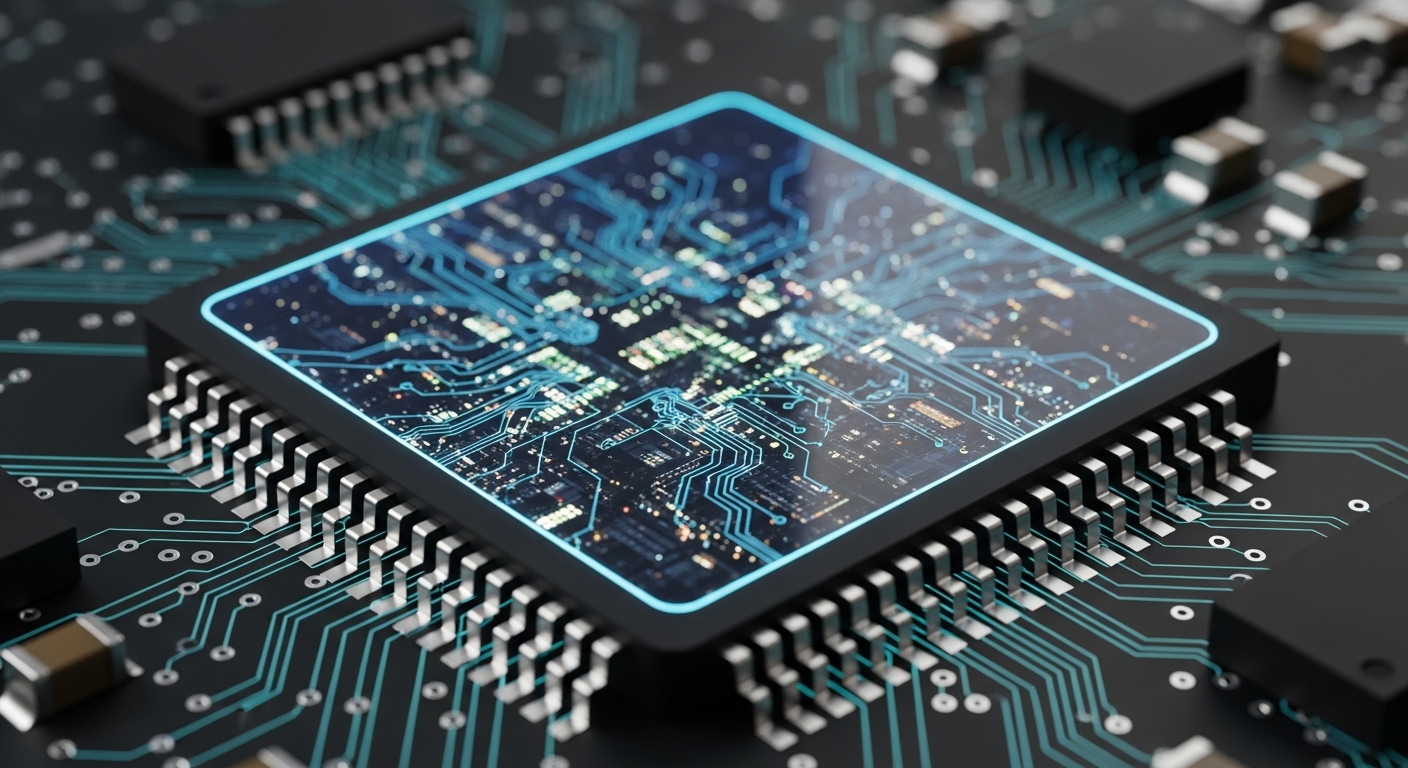
The Future is Digital: How Technology is Reshaping Our World
Technology has become the backbone of modern civilization. From the way we communicate to how we work, learn, and entertain ourselves, innovation drives change at an unprecedented pace. The rapid advancement of technologies like artificial intelligence, quantum computing, renewable energy, and biotechnology is transforming every aspect of life. In this blog, we explore the most significant technological trends shaping the world today and the future possibilities they unlock.
Artificial Intelligence: Transforming Everyday Life
Artificial Intelligence, or AI, has moved far beyond simple automation to systems that can learn, reason, and make decisions. AI is now embedded in healthcare, finance, education, and even entertainment. In medicine, AI analyzes medical images to detect diseases such as cancer or neurological disorders, often outperforming human specialists. In finance, AI predicts market trends, identifies fraudulent transactions, and provides personalized investment strategies. Everyday life has also been transformed by AI-powered personal assistants, recommendation engines, and smart home devices. The future of AI focuses on intelligence amplification, where machines help humans solve complex problems rather than replacing them.
Quantum Computing: Unlocking New Possibilities
Quantum computing is poised to revolutionize computing by performing calculations that classical computers cannot handle efficiently. Unlike traditional computers that use bits as ones or zeros, quantum computers use qubits that can exist in multiple states simultaneously. This ability, called superposition, allows quantum computers to tackle complex problems in seconds that would take conventional systems thousands of years. Applications include drug discovery, cryptography, materials science, and optimization of logistics. While practical large-scale quantum computers are still under development, their potential to solve previously unsolvable problems marks a new era in technological innovation.
Renewable Energy: Powering a Sustainable Future
With climate change presenting urgent challenges, renewable energy technologies have become essential. Solar, wind, hydro, and energy storage solutions are evolving rapidly, making clean energy more efficient and accessible. Modern solar panels capture more sunlight, wind turbines can operate in low-wind environments, and advanced batteries store energy for later use. Smart grids powered by AI optimize energy distribution, reduce wastage, and provide reliable electricity even during peak demand. These technologies not only combat environmental challenges but also pave the way for a future where energy systems are sustainable, resilient, and widely accessible.
Internet of Things: Creating a Connected World
The Internet of Things, or IoT, connects devices, sensors, and systems, allowing them to exchange data and improve efficiency. In homes, IoT devices control lighting, security, and appliances automatically. In industry, sensors monitor equipment, predict maintenance needs, and streamline production, reducing downtime and costs. Cities are becoming smarter through IoT-enabled traffic management, energy optimization, and waste control. As IoT continues to expand, it creates an environment where devices respond intelligently to human needs, improving convenience, efficiency, and overall quality of life.
Biotechnology: Redefining Life and Medicine
Biotechnology is transforming healthcare, agriculture, and sustainability. Advances in gene editing, synthetic biology, and bioinformatics enable solutions that were once unimaginable. CRISPR technology allows precise gene modification, offering potential cures for genetic disorders and creating crops resilient to climate challenges. Personalized medicine uses genetic information to develop treatments tailored to individual patients, increasing effectiveness and reducing side effects. Biotechnology also contributes to sustainable practices, such as lab-grown meat, biofuels, and biodegradable materials. While the possibilities are immense, ethical considerations must guide these innovations to ensure responsible use.
Augmented and Virtual Reality: Changing How We Experience the World
Augmented Reality (AR) and Virtual Reality (VR) are redefining human interaction with digital content. AR overlays digital information onto the real world, while VR immerses users in fully virtual environments. In education, AR and VR create interactive learning experiences, helping students understand complex topics more effectively. In healthcare, VR simulations allow medical professionals to practice procedures safely, and AR provides guidance during real-time surgeries. Entertainment industries are also embracing these technologies, offering immersive gaming, virtual concerts, and interactive storytelling. As AR and VR evolve, they blur the boundaries between physical and digital realities, opening new possibilities for work, education, and recreation.
Cybersecurity: Safeguarding the Digital World
As our lives become increasingly digital, cybersecurity has become a critical concern. Protecting data, networks, and systems from cyber threats is essential for individuals, businesses, and governments. Advanced cybersecurity solutions use artificial intelligence to detect threats, encryption to protect sensitive information, and behavioral analytics to identify unusual activity. Human error remains one of the largest vulnerabilities, making education and awareness crucial. Strong cybersecurity ensures trust in digital systems, enabling secure communication, commerce, and innovation in a connected world.
Robotics and Automation: Shaping Industry and Daily Life
Robotics and automation are transforming industries and everyday experiences. Industrial robots perform repetitive and hazardous tasks with precision, improving efficiency and reducing human error. Autonomous vehicles, including self-driving cars and drones, are revolutionizing transportation, delivery, and logistics. In healthcare, robots assist in surgeries, rehabilitation, and patient monitoring, enhancing both outcomes and productivity. When combined with AI and IoT, robotics systems become intelligent, adaptive, and capable of working alongside humans to increase efficiency and effectiveness in numerous sectors.
Edge Computing: Speeding Up Data Processing
Edge computing is an emerging technology that processes data closer to the source rather than relying solely on centralized cloud servers. By minimizing latency, edge computing enables real-time decision-making, which is critical for applications like autonomous vehicles, smart cities, and industrial IoT. This approach reduces bandwidth requirements, increases processing speed, and enhances the reliability of digital systems. Edge computing complements cloud computing by providing faster, localized, and more efficient data handling, enhancing performance in technology-driven environments.
Ethical Implications of Emerging Technologies
While technological advancements offer unprecedented benefits, they also present significant ethical and social challenges. Issues such as data privacy, algorithmic bias, environmental sustainability, and workforce disruption must be addressed thoughtfully. Technology should serve humanity responsibly, balancing innovation with ethics and inclusivity. Transparency, accountability, and public awareness are essential to ensure that technological progress benefits all segments of society rather than creating inequalities or unintended harm.
Preparing for a Technological Future
Adapting to a future dominated by advanced technology requires proactive preparation. Education systems must emphasize STEM learning, digital literacy, and critical thinking. Lifelong learning and reskilling programs are vital as automation and AI reshape the workforce. Governments, businesses, and research institutions must collaborate to foster ethical innovation and infrastructure development. Inclusive technologies and policies ensure that progress is shared equitably, allowing society to thrive in a rapidly evolving technological landscape.
Conclusion
Technology is transforming the world at a pace never seen before. Artificial intelligence, quantum computing, renewable energy, IoT, biotechnology, AR and VR, robotics, cybersecurity, and edge computing are not merely innovations—they are catalysts for a more efficient, sustainable, and connected society. These advancements offer solutions to global challenges, enhance human capabilities, and redefine the way we live and work.
However, with great opportunity comes responsibility. Ethical considerations, security, inclusivity, and public engagement must guide technological development. By embracing innovation responsibly and preparing for change through education and collaboration, humanity can ensure that technology serves as a tool for progress, empowerment, and sustainability. The future is not something we wait for—it is something we create, and technology is the foundation upon which it will be built.