The Transformative Power of Technology in Modern Life
Technology has been an inseparable part of human progress, reshaping the way we live, work, and interact with the world around us. From the earliest inventions like the wheel to the sophisticated artificial intelligence systems of today, technology has continuously evolved, bringing convenience, efficiency, and unprecedented opportunities. In the modern era, it is not an exaggeration to say that technology has become the backbone of almost every aspect of daily life.
The Evolution of Technology
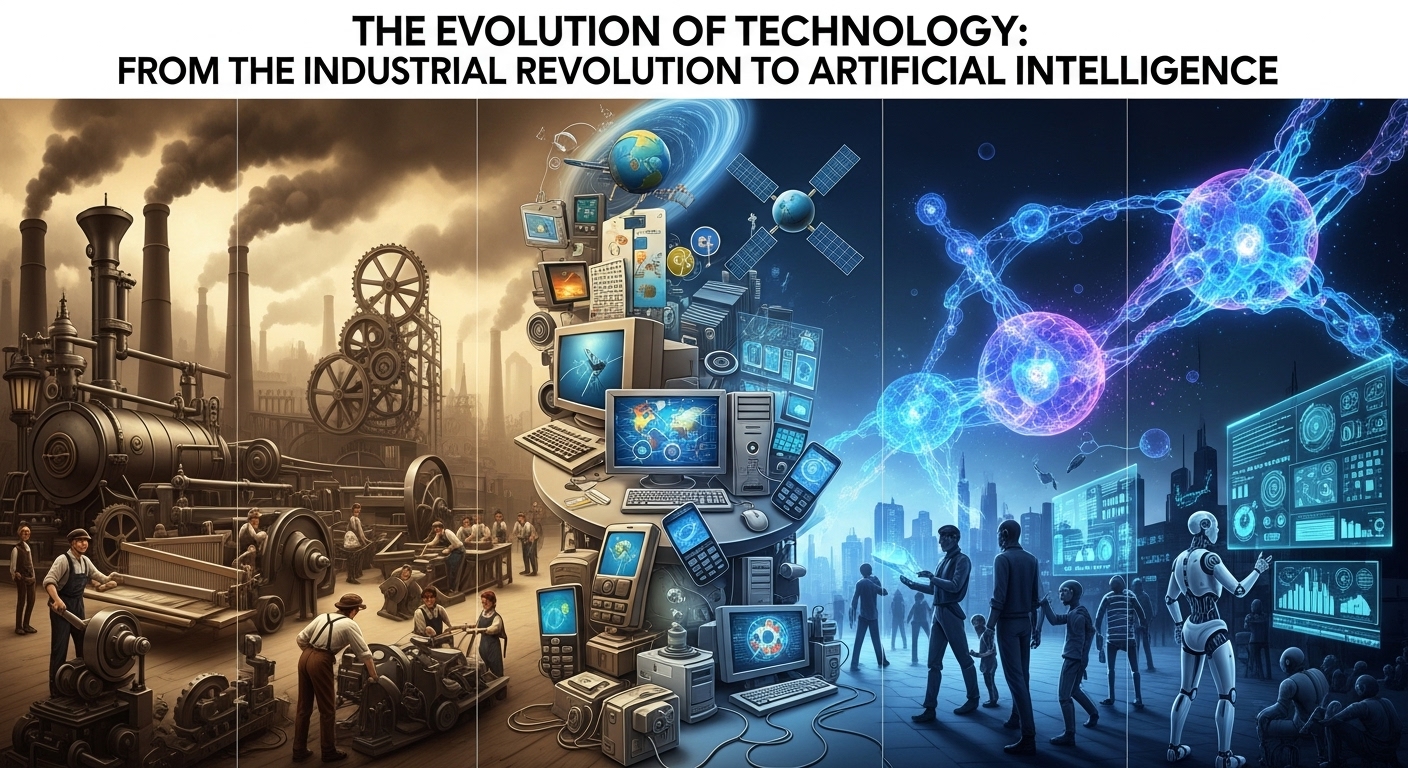
The journey of technology is a fascinating tale of human ingenuity. Early technological advancements focused primarily on survival—tools for hunting, building, and farming. As civilizations progressed, these tools became more sophisticated, paving the way for industrialization. The industrial revolution marked a significant shift, introducing machinery that amplified human labor and productivity. Factories, steam engines, and mechanized processes transformed economies and societies alike.
The 20th century ushered in the era of digital technology, with computers revolutionizing the way information is stored, processed, and shared. The development of microprocessors, personal computers, and the internet laid the foundation for the interconnected world we experience today. Every innovation has built upon the previous, creating a cascading effect of technological advancement.
The Role of Artificial Intelligence
Among the most transformative forces in contemporary technology is artificial intelligence (AI). AI systems have the ability to perform tasks that traditionally required human intelligence, including reasoning, learning, and decision-making. From personal assistants like smart speakers to complex systems driving autonomous vehicles, AI is increasingly embedded in our daily lives.
AI’s impact on business operations is equally significant. Companies utilize machine learning algorithms to analyze vast datasets, predict consumer behavior, and optimize processes. In healthcare, AI assists in diagnosing diseases, recommending treatments, and even predicting patient outcomes. While AI offers immense benefits, it also raises ethical considerations, including privacy concerns, job displacement, and algorithmic bias. The challenge lies in harnessing AI’s potential responsibly while mitigating its risks.
Cloud Computing: Redefining Data Management
Cloud computing has revolutionized how individuals and businesses handle data. Unlike traditional storage systems that rely on physical servers, cloud computing allows data to be stored, accessed, and processed over the internet. This shift has enabled remote work, real-time collaboration, and scalability at an unprecedented level.
Businesses no longer need to invest heavily in infrastructure; instead, they can leverage cloud services to enhance flexibility and reduce operational costs. From startups to multinational corporations, cloud computing has become an essential component of modern business strategies. Furthermore, cloud technology powers many of the applications we use daily, from streaming platforms to online banking.
The Internet of Things: A Connected World
The Internet of Things (IoT) is another technological innovation reshaping our environment. IoT refers to the network of interconnected devices that communicate and exchange data seamlessly. These devices include smart home appliances, wearable health monitors, industrial sensors, and even autonomous vehicles.
IoT enhances efficiency and convenience, allowing users to control devices remotely and gain insights into daily activities. For example, smart thermostats learn household habits to optimize energy usage, while wearable fitness trackers provide real-time health analytics. In industrial settings, IoT sensors monitor machinery performance, preventing downtime and reducing maintenance costs. The potential of IoT continues to expand, driving innovation across multiple sectors.
Cybersecurity in the Digital Age
As technology becomes increasingly integral to our lives, the importance of cybersecurity cannot be overstated. Cyber threats, including hacking, phishing, and ransomware attacks, pose significant risks to individuals, businesses, and governments. Protecting sensitive information and digital assets has become a top priority.
Modern cybersecurity strategies involve multiple layers of defense, including encryption, firewalls, and intrusion detection systems. Companies also implement security protocols, employee training, and regular audits to safeguard their digital environments. For individuals, practices such as strong password management and cautious online behavior are crucial. The continuous evolution of cyber threats necessitates constant vigilance and innovation in defense mechanisms.
The Rise of Mobile Technology
Mobile technology has fundamentally changed how people communicate, consume information, and conduct transactions. Smartphones are now ubiquitous, serving as communication devices, entertainment platforms, navigation tools, and personal assistants. Mobile applications have transformed industries such as banking, healthcare, education, and entertainment, providing accessibility and convenience.
The advancement of mobile networks, from 4G to 5G, has further accelerated digital transformation. High-speed connectivity supports applications like video conferencing, cloud gaming, and augmented reality experiences. Mobile technology has also played a vital role in bridging the digital divide, connecting remote regions and fostering social and economic inclusion.
Virtual Reality and Augmented Reality
Virtual reality (VR) and augmented reality (AR) represent the next frontier in immersive technology. VR creates fully digital environments that users can interact with, while AR overlays digital information onto the real world. Both technologies have applications in gaming, education, healthcare, and industrial training.
In education, VR allows students to explore historical sites or simulate complex experiments in a safe, controlled environment. AR enhances learning experiences by providing real-time data visualization and interactive elements. In healthcare, VR assists in surgical training and patient rehabilitation, while AR aids in diagnostics and surgical precision. As these technologies continue to advance, their integration into everyday life is expected to grow exponentially.
Robotics and Automation
Robotics and automation have significantly influenced industries ranging from manufacturing to logistics. Automated systems improve efficiency, reduce human error, and handle repetitive tasks that would otherwise be labor-intensive. In manufacturing, robots assemble products with precision and speed, transforming production lines.
Service industries also benefit from automation. Self-service kiosks, automated warehouses, and delivery drones exemplify how robotics is reshaping operational processes. The combination of robotics with AI enables machines to perform increasingly complex tasks, opening opportunities for innovation while challenging traditional labor models. The societal implications of automation, particularly regarding employment, remain a topic of discussion and planning.
Sustainable Technology
As global awareness of environmental issues grows, sustainable technology has emerged as a critical area of innovation. Renewable energy sources, energy-efficient devices, and eco-friendly manufacturing processes aim to reduce the environmental impact of technology. Solar panels, wind turbines, and electric vehicles exemplify efforts to transition toward a greener future.
Sustainable technology is not limited to energy. Smart agriculture, water management systems, and green building technologies demonstrate how innovation can promote environmental stewardship. The integration of sustainability into technology development reflects a broader understanding that progress must balance human advancement with planetary health.
Technology in Healthcare
Healthcare technology has witnessed remarkable advancements, improving patient outcomes and transforming medical practices. Electronic health records, telemedicine, and AI-powered diagnostic tools streamline patient care and enhance accessibility. Remote monitoring devices allow healthcare professionals to track patient conditions in real-time, reducing hospital visits and enabling timely interventions.
Biotechnology and medical research also benefit from technological innovation. Advanced imaging techniques, genomic sequencing, and robotic-assisted surgery represent milestones that enhance precision and effectiveness. The ongoing development of wearable devices, personalized medicine, and AI-driven predictive analytics promises a future where healthcare is more proactive, patient-centered, and efficient.
Technology in Education
Education has been revolutionized by technology, creating opportunities for personalized, flexible, and accessible learning. Digital classrooms, online courses, and interactive learning platforms enable students to acquire knowledge beyond geographical limitations. Virtual labs, simulations, and educational games enhance engagement and comprehension.
Artificial intelligence contributes to adaptive learning, where systems tailor content to individual student needs. Data analytics allow educators to track progress, identify gaps, and provide targeted interventions. Technology not only democratizes education but also equips students with digital skills essential for success in the modern workforce.
The Future of Technology
The future of technology is both exciting and unpredictable. Emerging fields such as quantum computing, biotechnology, space exploration, and advanced AI hold the potential to redefine human capabilities. Quantum computing promises unparalleled computational power, enabling breakthroughs in fields such as cryptography, medicine, and materials science.
Space technology is advancing rapidly, with initiatives in satellite communication, space travel, and extraterrestrial exploration. Biotechnology is pushing the boundaries of human health and longevity, while AI continues to evolve in sophistication and applicability. The convergence of these technologies will likely give rise to innovations that are difficult to imagine today.
Ethical and Societal Implications
With great technological advancement comes significant responsibility. The ethical and societal implications of technology must be carefully considered. Privacy, security, equity, and accessibility are critical concerns in the digital age. Issues such as data ownership, algorithmic bias, and technological unemployment demand thoughtful regulation and ethical frameworks.
Society must balance innovation with responsibility, ensuring that technology benefits humanity as a whole. Inclusive development, ethical design, and sustainable practices are essential for creating a future where technology enhances life without compromising fundamental values.
Conclusion
Technology has transformed every aspect of modern life, from communication and education to healthcare and industry. Its evolution reflects human creativity, ambition, and adaptability. As artificial intelligence, cloud computing, IoT, robotics, and immersive technologies continue to advance, the potential for innovation grows exponentially.
However, the rapid pace of technological change also presents challenges. Ethical considerations, cybersecurity, and sustainability require vigilant attention. Society must navigate these complexities thoughtfully, ensuring that technology remains a force for positive transformation. By embracing innovation responsibly, humanity can harness technology to build a smarter, more connected, and more sustainable world.